
Most enquiries we receive about EN 1.4307 start the same way: a drawing or a data sheet carries the European number, the purchasing team has a quote in AISI 304L, and someone in the office needs to confirm the two are the same material before the purchase order goes out. The short answer is yes — 1.4307 and 304L describe one low-carbon austenitic stainless steel. The longer answer is where the practical details live, and that is what this guide covers. After more than sixteen years of making stainless pipe, we have learned that the small differences between grades cause most of the problems on site, not the big ones.
EN 1.4307 in Plain Terms
EN 1.4307 is the European designation for the low-carbon version of 18/8 stainless steel. Its full EN 10088 name is X2CrNi18-9, and it maps onto AISI 304L, UNS S30403, JIS SUS304L and the Chinese designation 022Cr19Ni10. When a specification calls for 1.4307, it is asking for a grade with a maximum carbon content of 0.030%, roughly one third of the 0.08% permitted in 1.4301, the higher-carbon sibling commonly sold as 304. Everything else — chromium, nickel, the austenitic structure, the fabrication behaviour — is essentially the same.
That single change in chemistry is the whole point of the grade. It is not a stronger alloy, and it is not more corrosion resistant in a general sense. It is simply more forgiving when the metal is heated.
Composition and Mechanical Properties
The chemistry below reflects the EN 10088-1 range, which is consistent with ASTM A312 and A269 limits for 304L. Mills work to slightly tighter internal windows, but these are the values a buyer can hold a supplier to.
| Element | Range or Maximum | Role in the Alloy |
|---|---|---|
| C | 0.030 max | Kept low to limit carbide precipitation |
| Cr | 18.0 – 20.0 | Passive film formation |
| Ni | 8.0 – 12.0 | Stabilises the austenitic structure |
| Si | 1.00 max | Deoxidation during melting |
| Mn | 2.00 max | Supports hot workability |
| P | 0.045 max | Residual, controlled for toughness |
| S | 0.030 max | Residual, kept low for weld quality |
| N | 0.10 max | Minor strengthening effect |
Mechanically, the grade is modest rather than exotic: a minimum yield strength around 170 MPa, a tensile strength of at least 485 MPa, and elongation in the region of 35 to 40% on standard tube specimens. Hardness typically sits well below 90 HRB. In practice this means 1.4307 bends, flares and expands without complaint, which is one reason it stays popular in instrument lines and heat exchanger work where tube ends must be rolled into tubesheets.
Why the Carbon Limit Matters on Welded Pipe
When austenitic stainless is held in the range of roughly 425 to 860 °C, chromium combines with carbon and precipitates as chromium carbides along the grain boundaries. The chromium consumed by those carbides leaves the adjacent metal depleted, and a depleted band in a corrosive service is where intergranular attack begins. Welding is the classic trigger: the heat-affected zone passes through that temperature band on every pass and cools through it again.
With 0.030% carbon there is simply less carbon available to form carbides, so the chromium depletion is far less severe. For thin-wall tube welded at reasonable heat input, 1.4307 usually goes into service without a post-weld solution anneal. That saves a furnace cycle, avoids the distortion that comes with it, and keeps the delivery schedule realistic. What the grade does not do is make a component immune. Heavy multipass welds in thick sections, or long service above 425 °C, can still sensitise 304L, and a fabricator who plans to stress relieve at 600 °C should discuss the sequence with the mill before cutting metal.
Corrosion Behaviour: Honest Expectations
In atmospheric exposure, fresh water, food contact, organic acids and oxidising mineral acids such as nitric acid, 1.4307 performs well and is often the most economical choice on the table. It handles dilute sulphuric acid at low temperature and low concentration, and it manages the mildly alkaline and neutral solutions found in most process plants.
The limits deserve equal attention. Chlorides are the weak point. Pitting resistance is modest, so seawater, brine circuits, chloride-based cleaning agents and pulp bleaching lines are the wrong application. Where chlorides are present and the metal is also warm — above roughly 60 °C — stress corrosion cracking becomes a real risk rather than a theoretical one. High-temperature service is another boundary: the low carbon that helps weldability reduces creep strength, and many pressure design codes therefore cap 304L at a lower temperature than they allow for 304H. If your vessel runs hot and under load, the grade choice needs a proper code check, not a catalogue glance.
Where 1.4307 Pipe Earns Its Place
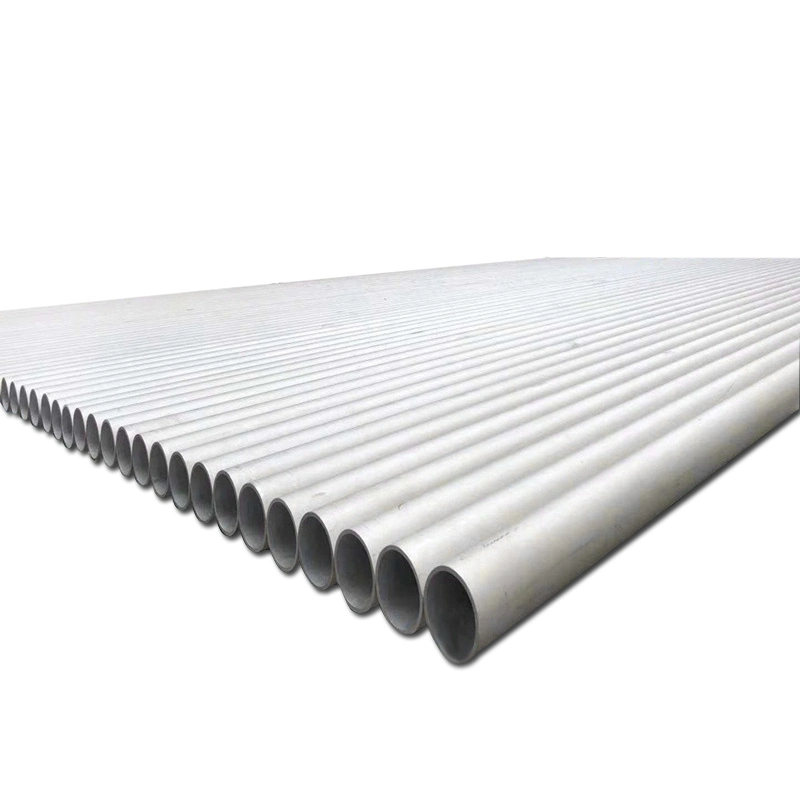
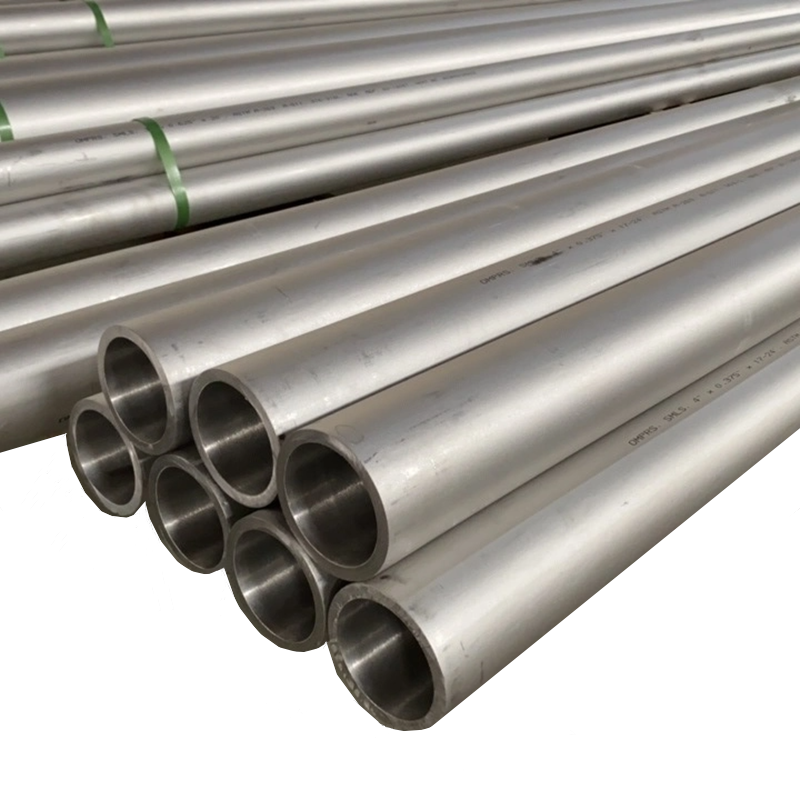
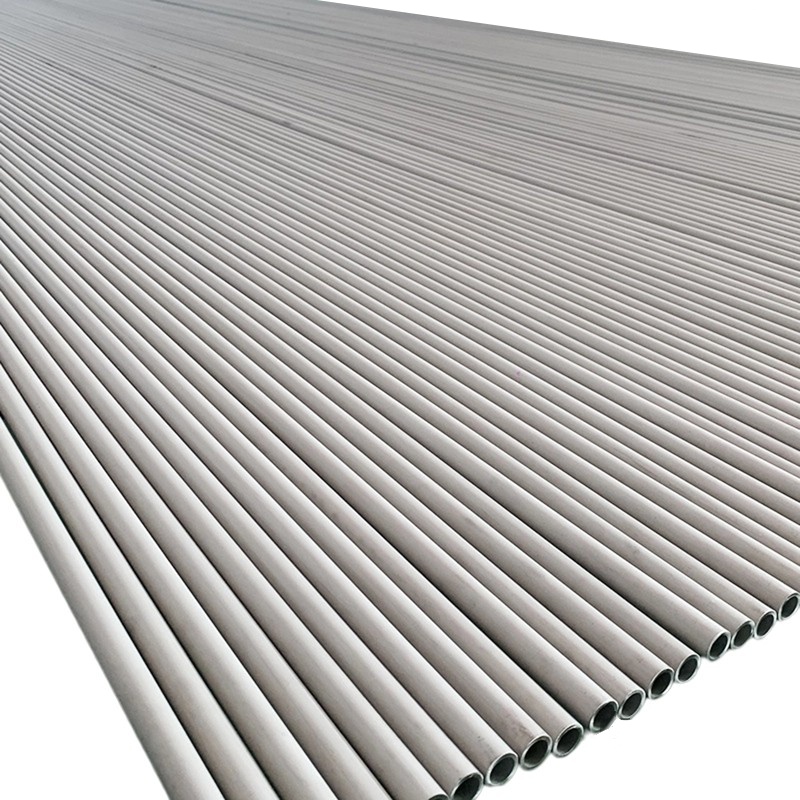
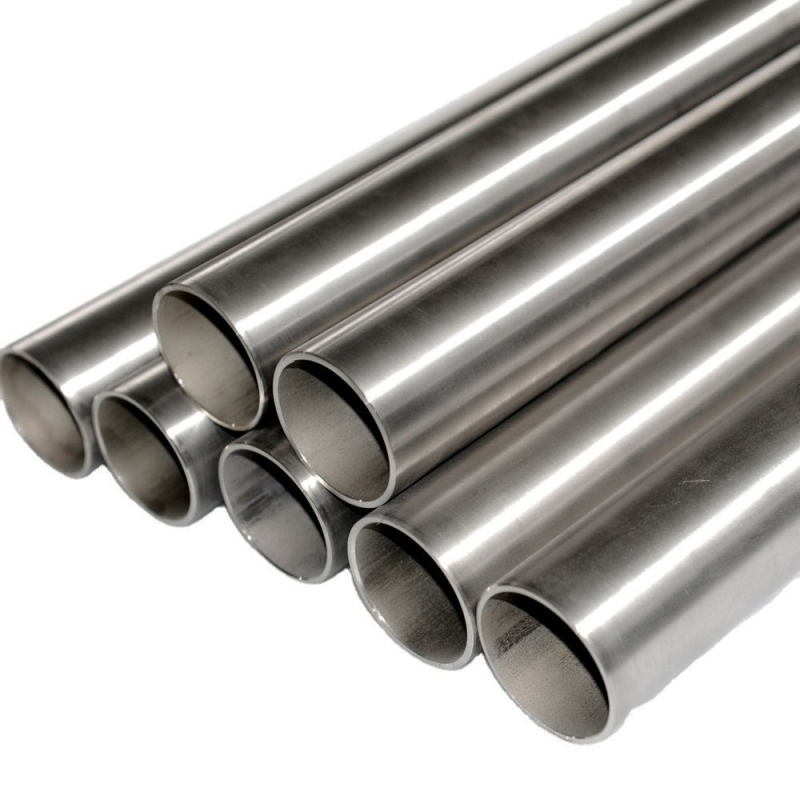
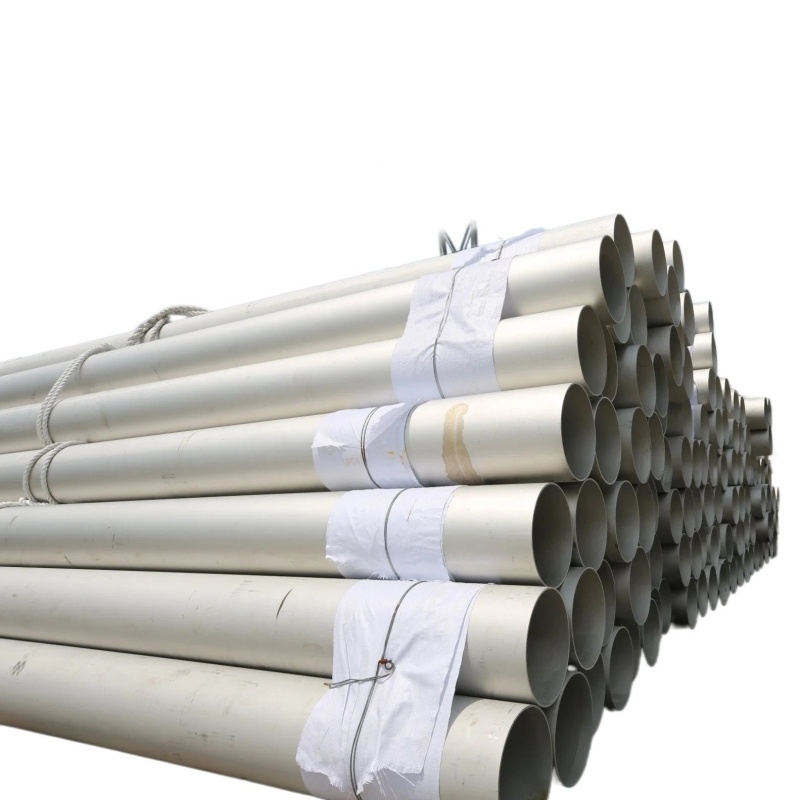
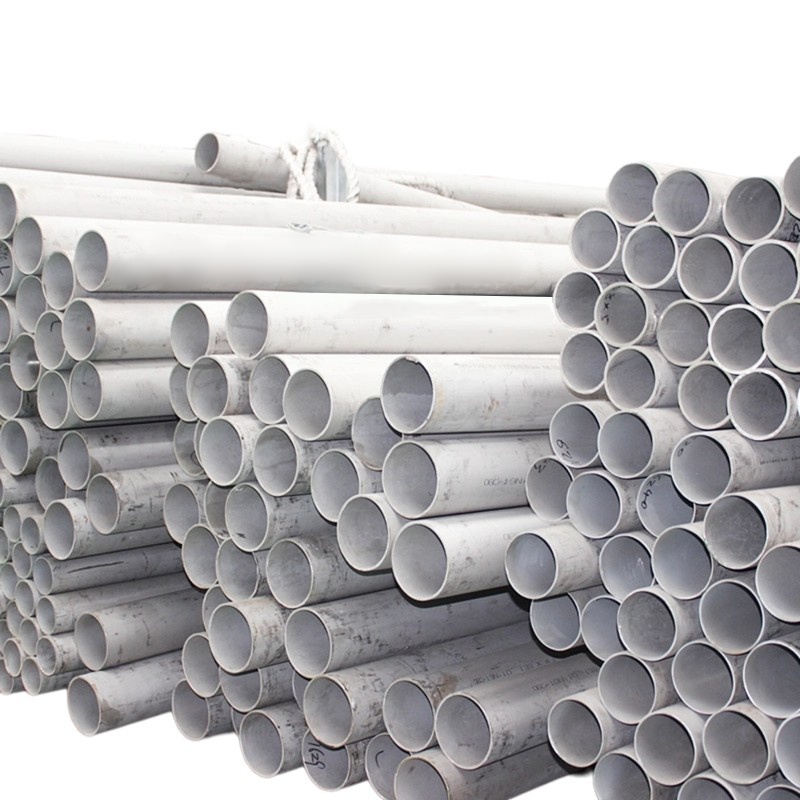
The applications we see most often are chemical equipment piping, heat exchanger and condenser tubing, food and dairy lines, brewery and winery process pipe, pharmaceutical utility lines, potable water systems, and general industrial fluid transfer. The common thread is a need for clean, weldable, corrosion-resistant pipe at a cost that still makes sense on a project budget.
Chemical equipment is a good example. Reactor jackets, transfer lines and agitation piping usually need a material that welds reliably in a fabrication shop, resists the process medium, and can be passivated to a clean finish before handover.
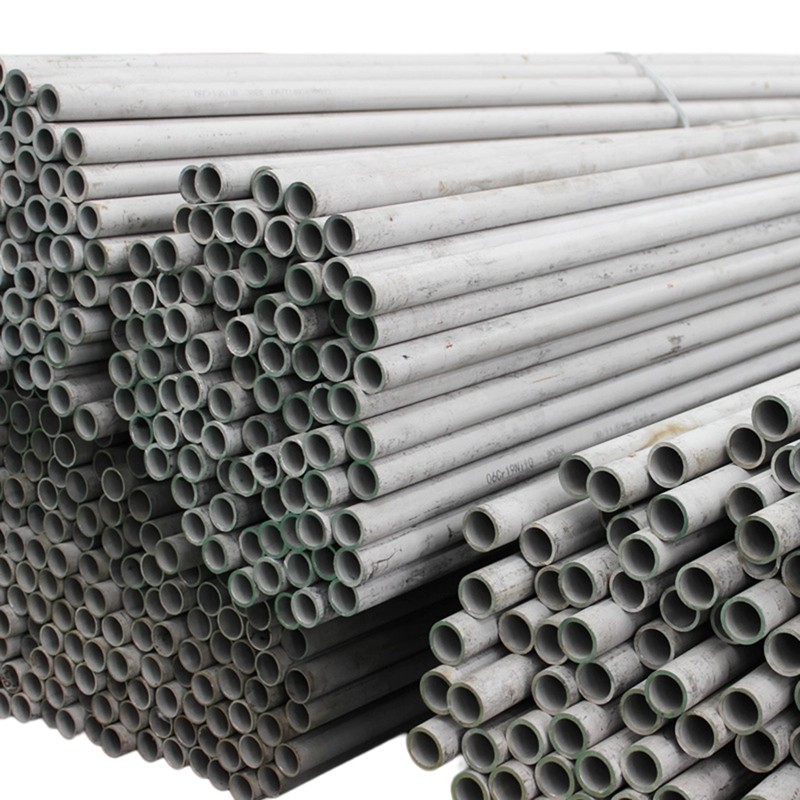 304 Seamless Stainless Steel Tubing for Chemical EquipmentSeamless 304 tubing for chemical equipment such as reactor jackets, transfer lines and heat exchangers, available in multiple standards and dimensions.View Product →
Heat exchanger work is the other big consumer. Tube-to-tubesheet rolling needs consistent wall thickness and good ductility, and 1.4307 delivers both when the tube is dimensionally sound.
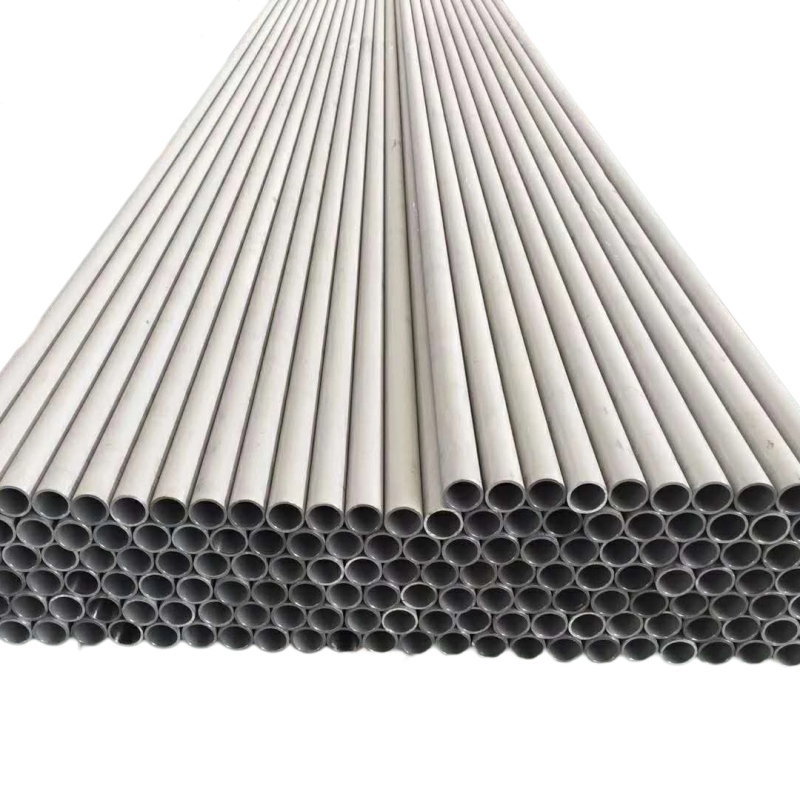 304 Stainless Seamless Heat Exchanger TubesSeamless 304 heat exchanger tubes for chemical, pharmaceutical and energy equipment, with corrosion resistance and high heat-transfer efficiency.View Product →
Fabrication Notes from the Shop Floor
Weldability is the grade's strongest selling point. Use 308L filler for most joints, or a matching low-carbon consumable where dilution is a concern. No preheat is required, and interpass temperature should be kept under about 150 °C to protect the passive film. For sanitary and high-purity lines, purge the inside of the joint with argon and keep oxygen levels low enough to hold a clean, grey-to-straw weld colour. Pickling and passivation after welding restores the chromium oxide layer and removes heat tint, which is where corrosion usually starts.
Cold forming is straightforward but springback is noticeably higher than with carbon steel, so bend radii need a little more allowance than the drawing suggests. Solution annealing, when it is required, is carried out at 1010 to 1120 °C followed by rapid cooling. On thin-wall tube, bright annealing in a controlled atmosphere is the usual route because it leaves the surface clean and removes the need for a second pickling step.
Standards, Sizes and What to Put on the Enquiry
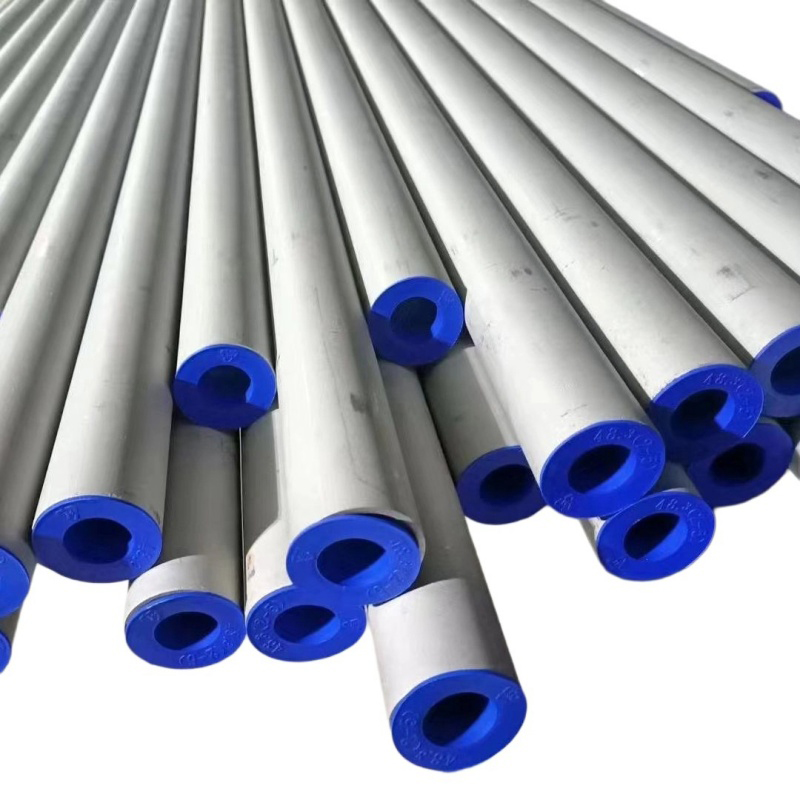
1.4307 pipe is supplied against ASTM A312, A269, A249 or A213, EN 10216-5, and JIS G3459 depending on the market and the end use. Wall thickness is normally called out by schedule — SCH 10, 40, 80, 120 and 160 all appear in our order book — and outside diameter ranges from small instrument tubing up to heavy-wall boiler tube at 178 mm OD. The size and composition comparison tables on our site are a useful starting point when converting between imperial and metric callouts.
Pressure vessel and boiler work often pushes the enquiry toward heavier walls, where the low-carbon benefit matters most because the weld is deep and the restraint is high.
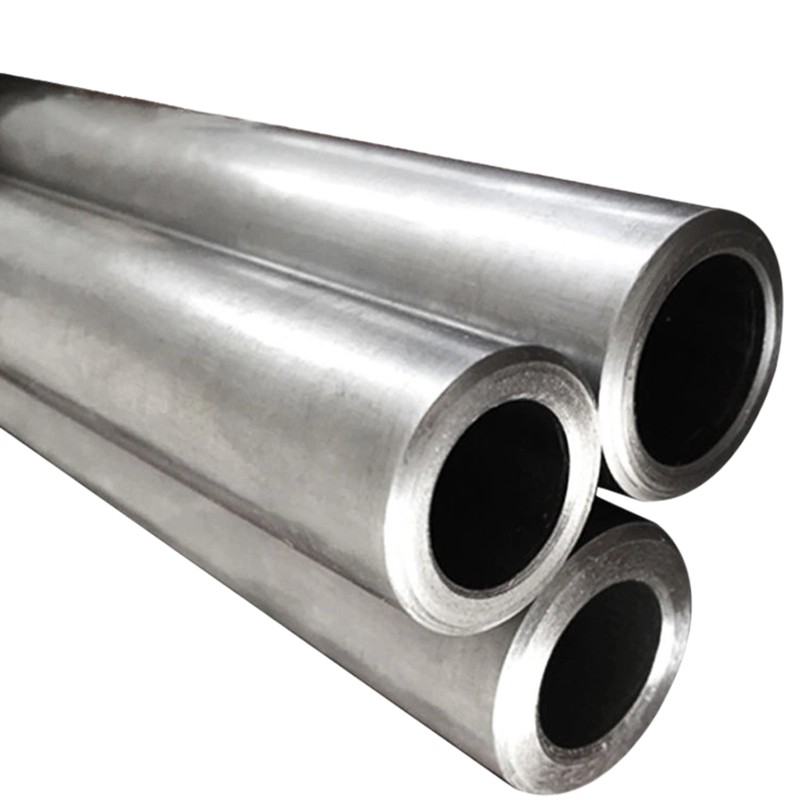
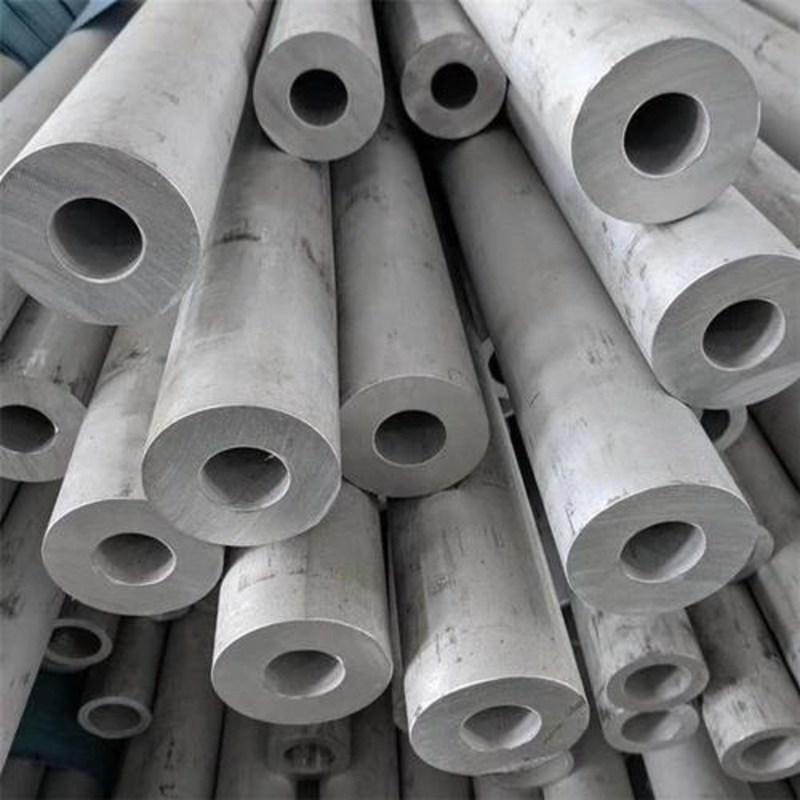 Sch 120 304 Seamless Pressure Vessel PipeHeavy-wall 304 seamless pipe for pressure vessels in chemical and petroleum service; specify grade, OD, wall thickness, length, finish and testing needs.View Product →
A complete enquiry helps everyone: grade designation with the standard, OD and wall thickness or schedule, length, surface finish, end condition, quantity, and any testing requirement. If a third-party inspection is planned, say so early — it affects the documentation pack and the delivery date.
1.4307 or 1.4404? A Quick Decision Rule
When chlorides enter the picture — coastal installations, marine hardware, brine handling, certain pulp and paper streams — the conversation usually moves to 1.4404 (316L). The molybdenum addition raises pitting resistance and gives more headroom in aggressive media. The trade-off is price and, to a lesser extent, availability of exotic sizes. For inland chemical plants, food and beverage lines, water systems and general fabrication, 1.4307 remains the sensible default and often the better value.
A Buying Checklist for 1.4307 Pipe
- Confirm the exact designation: EN 1.4307, X2CrNi18-9, AISI 304L and UNS S30403 should all appear consistently on the mill certificate.
- Ask for an EN 10204 3.1 inspection certificate with heat number traceability, not just a generic statement of compliance.
- Check the carbon figure on the certificate — 0.030% maximum is the defining requirement, and a value close to the limit is worth questioning.
- For welded or heavily formed components in wet corrosive service, request an intergranular corrosion test to ASTM A262 Practice E.
- Verify dimensional tolerances, especially wall thickness eccentricity, if the tube will be rolled, bent or machined.
- Specify surface condition clearly: pickled, bright annealed, polished or electropolished, with the roughness value if the line is hygienic.
- Agree on end finish, marking, packing and documentation before the order is placed.
None of these steps is unusual, and a supplier who has made the grade for years will answer them without hesitation. That, more than a lower price, is what keeps a project on schedule.
If you are working through a specification that names EN 1.4307 and you want a second opinion on grade, wall thickness or surface finish, our team is happy to look at the drawing with you. We have been making stainless pipe and the fittings that go with it for over sixteen years, and the questions we answer best are the ones that come up before the material is cut.